
In today’s rapidly evolving digital landscape, traditional industries are facing unprecedented challenges and opportunities brought about by digital transformation. From reshaping business models to enhancing customer experiences, the impact of digital transformation is profound and far-reaching. Let’s delve into how traditional industries are navigating this digital revolution and the key factors influencing their success.
Impact of digital transformation on traditional industries
Digital transformation is revolutionizing traditional industries by integrating technology into their operations, processes, and business models. This shift has led to increased efficiency, productivity, and competitiveness in various sectors.
Examples of traditional industries embracing digital transformation
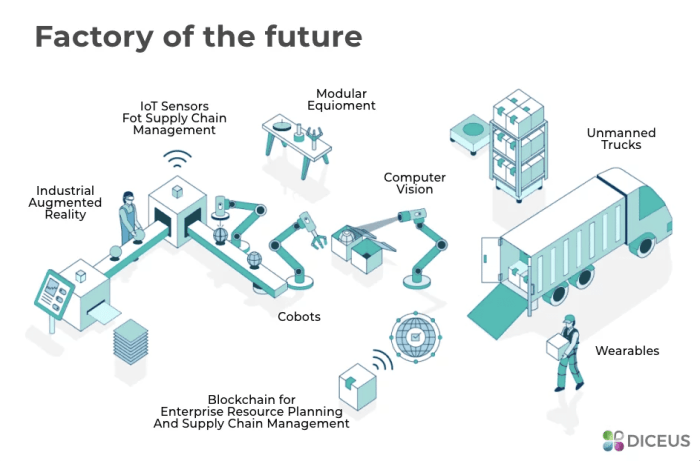
- Manufacturing: Companies are implementing automation, IoT, and data analytics to optimize production processes and enhance quality control.
- Retail: Brick-and-mortar stores are adopting e-commerce platforms, mobile apps, and AI-powered tools to personalize customer experiences and improve inventory management.
- Healthcare: Hospitals and clinics are leveraging telemedicine, electronic health records, and wearable devices to deliver remote care and enhance patient outcomes.
Challenges faced by traditional industries in adopting digital transformation
- Legacy systems: Outdated technology infrastructure can hinder the implementation of new digital solutions and integration with existing systems.
- Resistance to change: Employees and management may be reluctant to embrace new technologies due to fear of job displacement or lack of digital skills.
- Cybersecurity concerns: With increased digitalization comes the risk of cyber threats, data breaches, and privacy issues that traditional industries must address.
Mobile App Development
Mobile app development plays a crucial role in the digital transformation of traditional industries, enabling them to reach a wider audience, enhance customer engagement, and improve overall user experience.
Importance of Mobile App Development
- Mobile apps provide a convenient platform for traditional industries to connect with their customers in real-time, offering personalized experiences and services.
- By having a mobile app, businesses can streamline processes, automate tasks, and gather valuable data insights for better decision-making.
- Mobile apps create opportunities for traditional industries to innovate their products or services, adapt to changing market trends, and stay competitive in the digital landscape.
Enhancing Customer Engagement and User Experience
- Mobile apps allow traditional industries to engage with customers through push notifications, in-app messaging, and personalized content, fostering loyalty and repeat business.
- With features like mobile payments, online booking, and customer feedback tools, mobile apps enhance user experience by making transactions seamless and efficient.
- Through interactive interfaces, intuitive navigation, and responsive design, mobile apps provide users with a smooth and enjoyable experience, encouraging them to interact more with the brand.
Comparison of Mobile App Development Platforms
| Platform | Features | Pros | Cons |
|---|---|---|---|
| iOS | High security, seamless performance | Quality control, loyal user base | Costly development, limited customization |
| Android | Wide market reach, customization options | Cost-effective, diverse hardware compatibility | Fragmentation, security concerns |
| Cross-platform | Code reusability, faster development | Cost-effective, broader audience reach | Performance limitations, platform-specific restrictions |
Software Development
Software development plays a crucial role in facilitating the digital transformation of traditional industries. By creating custom software solutions, these industries can streamline processes, improve efficiency, and enhance overall performance in the digital landscape.
Role of Software Development in Digital Transformation
- Custom software solutions tailored to the specific needs of traditional industries can automate tasks, reduce manual errors, and increase productivity.
- Integration of software applications can enable seamless communication and data sharing across different departments within the organization.
- Software development allows traditional industries to leverage data analytics and business intelligence tools for informed decision-making and strategic planning.
Significance of Custom Software Solutions
- Custom software solutions enable traditional industries to adapt to changing market demands and evolving customer preferences effectively.
- These solutions provide a competitive edge by offering unique features and functionalities that meet the specific requirements of the industry.
- By investing in custom software development, traditional industries can future-proof their operations and stay relevant in the digital age.
Key Software Development Trends
- Cloud computing: Leveraging cloud-based solutions for scalability, flexibility, and cost-effectiveness in software development.
- Internet of Things (IoT): Integrating IoT devices and sensors to collect real-time data and optimize processes in traditional industries.
- Artificial Intelligence (AI) and Machine Learning: Implementing AI-driven algorithms for predictive analytics, personalized recommendations, and automation of routine tasks.
Cybersecurity
Cybersecurity plays a crucial role in ensuring the safe digital transformation of traditional industries. As these industries adopt new technologies and digitize their operations, they become more vulnerable to cyber threats. It is essential for them to prioritize cybersecurity to protect their digital assets and maintain business continuity.
Importance of Cybersecurity in Digital Transformation
- Establishing a strong cybersecurity framework: Traditional industries must develop robust cybersecurity policies and procedures to safeguard their digital assets from cyber threats. This includes implementing access controls, encryption protocols, and regular security audits.
- Training employees on cybersecurity best practices: Employees should be educated on how to identify and respond to cyber threats effectively. Regular training sessions can help raise awareness and minimize the risk of human error leading to security breaches.
- Investing in advanced security technologies: Utilizing cutting-edge cybersecurity tools such as intrusion detection systems, firewalls, and endpoint security solutions can enhance the overall cybersecurity posture of traditional industries.
Protecting Digital Assets from Cyber Threats
- Implementing multi-factor authentication: By requiring multiple forms of verification for access to sensitive data and systems, traditional industries can add an extra layer of security against unauthorized access.
- Regular security assessments and audits: Conducting frequent security assessments can help identify vulnerabilities and weaknesses in the existing cybersecurity infrastructure. Addressing these issues promptly can prevent potential cyber attacks.
- Collaborating with cybersecurity experts: Traditional industries can benefit from partnering with cybersecurity professionals or firms to enhance their cybersecurity capabilities and stay ahead of evolving threats.
Best Practices for Implementing Cybersecurity Measures
- Creating a cybersecurity incident response plan: Having a well-defined strategy in place to address cybersecurity incidents can minimize the impact of breaches and ensure a swift recovery process.
- Regularly updating software and security patches: Keeping software applications and systems up to date with the latest security patches can help mitigate vulnerabilities that cybercriminals might exploit.
- Encrypting sensitive data: Encrypting data at rest and in transit can prevent unauthorized access and protect the confidentiality of critical information stored by traditional industries.
Mobile Technology
Mobile technology is playing a significant role in the digital transformation of traditional industries. By leveraging the power of mobile devices, businesses are able to streamline operations, improve efficiency, and enhance customer experiences like never before.
Innovative Mobile Technologies in Traditional Industries
- Augmented Reality (AR) and Virtual Reality (VR) technologies are being used in industries like real estate and tourism to provide immersive experiences to customers.
- IoT (Internet of Things) devices connected to mobile applications are transforming manufacturing processes by enabling real-time monitoring and control.
- Mobile payment solutions have revolutionized the retail and banking sectors, making transactions more convenient and secure for customers.
Challenges and Opportunities of Integrating Mobile Technology
- Challenges: Some traditional industries may face resistance to change, lack of technical expertise, and concerns about data security when integrating mobile technology.
- Opportunities: Mobile technology offers traditional industries the opportunity to reach a wider customer base, improve operational efficiency, and stay competitive in the digital age.
- Security Concerns: With the increasing use of mobile devices in business operations, cybersecurity is a major concern that traditional industries need to address to protect sensitive data and maintain customer trust.
Technology & Software
Advancements in technology and software play a crucial role in driving digital transformation within traditional industries. These innovations enable companies to enhance efficiency, improve decision-making processes, and stay competitive in today’s fast-paced market.Emerging technologies such as Artificial Intelligence (AI), Internet of Things (IoT), and blockchain are reshaping traditional industries by revolutionizing how businesses operate.
AI, for instance, can automate tasks, analyze data, and provide valuable insights to optimize operations. IoT enables interconnected devices to communicate and share data, leading to improved monitoring and control systems. Blockchain technology ensures secure transactions and transparent processes, enhancing trust and reliability in the industry.When it comes to software solutions, traditional industries have a variety of options to choose from to streamline their processes in the digital age.
Enterprise Resource Planning (ERP) systems help integrate various functions within a company, improving communication and data management. Customer Relationship Management (CRM) software allows businesses to better understand and engage with their customers. Supply Chain Management (SCM) software optimizes logistics and inventory management, reducing costs and improving efficiency.
Role of AI in Traditional Industries
- AI can automate repetitive tasks, freeing up employees to focus on more strategic activities.
- AI-powered analytics can provide valuable insights for better decision-making and forecasting.
- AI chatbots can enhance customer service by providing quick and personalized responses.
IoT in Traditional Industries
- IoT sensors can monitor equipment performance in real-time, enabling predictive maintenance.
- IoT devices can track inventory levels and streamline supply chain operations.
- IoT connectivity can improve energy efficiency and reduce operational costs within traditional industries.
Blockchain Technology for Traditional Industries
- Blockchain ensures secure and transparent transactions, reducing the risk of fraud and errors.
- Blockchain can streamline supply chain processes by providing a decentralized ledger for tracking goods.
- Blockchain smart contracts automate agreements and payments, improving efficiency and trust in business transactions.
Web Development
Web development plays a crucial role in establishing a strong online presence for traditional industries that are undergoing digital transformation. It enables these industries to reach a wider audience, enhance customer engagement, and stay competitive in the digital landscape.Responsive web design is a key aspect of web development that focuses on creating websites that adapt to different devices and screen sizes.
This approach ensures that customers have a seamless and consistent user experience across desktops, laptops, tablets, and smartphones. By implementing responsive web design, traditional industries can improve user satisfaction, increase conversion rates, and boost their online visibility.
Successful Web Development Strategies for Traditional Industries
- Personalized Content: Tailoring website content to specific customer segments can enhance engagement and drive conversions. For example, a retail company can create personalized product recommendations based on a customer’s browsing history.
- Optimized User Interface: Simplifying navigation, improving page load times, and ensuring intuitive design elements can enhance the overall user experience. A user-friendly interface can lead to higher customer satisfaction and retention.
- Integration of E-commerce Functionality: Implementing secure and user-friendly e-commerce features can enable traditional industries to sell products or services online. This can open up new revenue streams and provide customers with convenient purchasing options.
- Search Engine Optimization (): Optimizing websites for search engines can improve visibility and attract organic traffic. By incorporating relevant s, meta tags, and high-quality content, traditional industries can enhance their online presence and reach a larger audience.
Networking
In the digital transformation of traditional industries, having a robust networking infrastructure is crucial to support the integration of new technologies and processes.
Significance of Cloud Computing and Edge Computing
Cloud computing and edge computing are revolutionizing traditional industries by providing scalable and flexible networking solutions. Cloud computing allows for the storage and processing of large amounts of data in remote servers, reducing the need for on-premise hardware and enabling real-time access to information.
On the other hand, edge computing brings computing resources closer to the devices generating data, reducing latency and improving efficiency.
Benefits of Networking Technologies
- Improved Connectivity: Networking technologies enable seamless communication between different systems and devices, enhancing collaboration and productivity.
- Enhanced Security: Robust networking infrastructure ensures secure data transmission and protects sensitive information from cyber threats.
- Scalability: Networking technologies like cloud computing allow traditional industries to scale their operations quickly and efficiently to meet changing demands.
Challenges in Implementing and Maintaining Networking Systems
- Legacy Systems Integration: Traditional industries often struggle to integrate new networking technologies with existing legacy systems, leading to compatibility issues and delays in implementation.
- Security Concerns: Maintaining the security of networking systems is a major challenge, as cyber threats are constantly evolving, requiring constant monitoring and updates.
- Skill Shortage: Implementing and maintaining complex networking systems requires specialized skills that traditional industries may lack, leading to recruitment challenges and the need for training programs.
Gaming Hardware
As digital transformation continues to revolutionize traditional industries, the impact of gaming hardware technologies is becoming increasingly significant. Gaming hardware innovations are not only reshaping the gaming industry but also finding applications in various traditional sectors.
Enhancing Productivity and Efficiency
- Gaming hardware, such as high-performance graphics cards and processors, can enhance the computing power of traditional industries, leading to increased productivity and efficiency in tasks like data processing and simulations.
- Virtual reality (VR) headsets and motion-tracking devices used in gaming can be adapted for training purposes in industries like healthcare and manufacturing, improving learning outcomes and skill development.
- Customizable gaming peripherals, like keyboards and mice with programmable buttons, can streamline workflow in office settings, allowing for quicker access to commonly used functions and shortcuts.
Examples of Leveraging Gaming Hardware
- In the healthcare industry, VR headsets are being used for medical training simulations, surgical planning, and patient therapy, providing a more immersive and interactive experience for healthcare professionals and patients.
- The automotive sector is utilizing gaming steering wheels and pedals for virtual testing and design validation, allowing engineers to simulate driving conditions and analyze vehicle performance in a virtual environment.
- Architecture and construction firms are incorporating gaming graphics cards and rendering software to create realistic 3D models and visualizations of building designs, enabling better communication with clients and stakeholders.
Smart Technology
Smart technologies such as IoT devices and smart sensors are revolutionizing traditional industries by providing real-time data, automation, and connectivity like never before. These innovations are drastically changing the way businesses operate and interact with their surroundings.
Benefits of Smart Technology in Traditional Industries
- Increased efficiency: Smart devices can optimize processes, reduce downtime, and streamline operations, ultimately leading to cost savings and improved productivity.
- Enhanced decision-making: With access to real-time data and insights, businesses can make informed decisions quickly, leading to better outcomes and competitive advantages in the market.
- Improved customer experience: Smart technologies enable businesses to personalize services, anticipate customer needs, and deliver seamless experiences, enhancing customer satisfaction and loyalty.
Risks and Security Considerations of Implementing Smart Technology
- Data privacy concerns: The collection and storage of sensitive data from smart devices can pose risks if not properly secured, potentially leading to data breaches and regulatory issues.
- Cybersecurity threats: Connected devices are vulnerable to cyber attacks, and a breach could disrupt operations, compromise sensitive information, and damage the reputation of the business.
- Interoperability challenges: Integrating different smart technologies from various vendors can be complex and may lead to compatibility issues, affecting the overall functionality and efficiency of the system.
Conclusion
As we conclude our exploration of the impact of digital transformation on traditional industries, it becomes evident that embracing technological change is no longer an option but a necessity for survival and growth. The transformative power of digital technologies continues to redefine the way traditional industries operate, innovate, and thrive in an increasingly competitive global market.
Stay tuned for more insights and updates on this dynamic shift in the business landscape.
Essential Questionnaire
How is digital transformation reshaping traditional industries?
Digital transformation is revolutionizing traditional industries by enabling them to adapt to changing market dynamics, streamline operations, and enhance customer engagement through innovative technologies.
What are some examples of traditional industries successfully embracing digital transformation?
Traditional industries such as manufacturing, retail, and banking have successfully embraced digital transformation by leveraging data analytics, cloud computing, and AI to drive growth and efficiency.
What challenges do traditional industries face in adopting digital transformation?
Some challenges traditional industries face in adopting digital transformation include legacy systems integration, cybersecurity risks, skill gaps, and resistance to change from employees and stakeholders.


