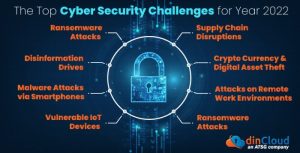
Embark on a journey into the realm of cybersecurity solutions for remote workers, where the digital landscape meets the need for secure virtual environments.
Delve deeper into the nuances of remote work security, exploring key aspects and strategies to ensure a protected workspace.
Overview of Cybersecurity Solutions for Remote Workers
As remote work becomes more prevalent, ensuring cybersecurity for remote workers is crucial to protect sensitive data and prevent cyber threats.
Importance of Cybersecurity for Remote Workers
Remote workers often handle sensitive company information from outside secure office networks, making them vulnerable to cyber attacks.
Common Cybersecurity Threats Faced by Remote Workers
- Phishing attacks targeting remote workers through deceptive emails or messages.
- Malware infections from downloading unsafe files or visiting malicious websites.
- Unsecured Wi-Fi networks exposing data to potential hackers.
- Unauthorized access to devices due to weak passwords or lack of multi-factor authentication.
Challenges of Securing Remote Work Environments
- Difficulty in monitoring and enforcing security protocols across various remote locations.
- Lack of physical security measures present in traditional office settings.
- Increased risk of data breaches and leaks due to the use of personal devices for work.
Mobile App Development for Remote Work
Mobile apps play a crucial role in enhancing security for remote workers by providing secure access to company resources and communication tools. They help in ensuring data protection and privacy while working outside the traditional office environment.
Examples of Mobile Apps for Secure Remote Work
- Microsoft Authenticator: This app enables multi-factor authentication to add an extra layer of security for accessing company accounts and applications remotely.
- Signal: Known for its end-to-end encryption, Signal ensures secure messaging and calls for remote workers to communicate confidentially.
- 1Password: This app securely stores and manages passwords, making it easier for remote workers to access different accounts without compromising security.
Role of Mobile App Development in Data Protection
Mobile app development plays a critical role in ensuring data protection for remote workers by implementing robust security features such as encryption, biometric authentication, and secure data transfer protocols. These apps are designed to create a secure environment for accessing company resources, communicating with colleagues, and handling sensitive information while working remotely.
Software Development for Remote Work Security
Software development plays a crucial role in addressing cybersecurity concerns for remote workers by providing tailored solutions to ensure data protection and privacy.
Key Features in Software Solutions for Remote Work Security
- End-to-end encryption: Protecting data in transit and at rest with strong encryption algorithms.
- Multi-factor authentication: Adding an extra layer of security by requiring multiple forms of verification.
- Vulnerability scanning: Identifying and addressing potential security weaknesses in the system.
- Remote access control: Managing and monitoring access to sensitive information from remote locations.
Impact of Software Development on Enhancing Remote Work Privacy
Software development enhances remote work privacy by enabling secure communication channels, implementing access controls, and ensuring data encryption. This not only protects sensitive information but also builds trust among remote workers, leading to increased productivity and efficiency.
Cybersecurity Measures for Mobile Technology
Mobile technology plays a crucial role in the remote work setup, allowing employees to stay connected and productive. However, it also poses security risks that need to be addressed through proper cybersecurity measures.Encryption is a key component in securing mobile technology for remote work.
By encrypting data on mobile devices, sensitive information is protected from unauthorized access in case the device is lost or stolen. This ensures that confidential business data remains secure, even when accessed outside the company’s secure network.
Importance of Encryption in Mobile Technology Security
- Encryption helps prevent data breaches by scrambling information, making it unreadable to anyone without the decryption key.
- Securing data at rest and in transit is essential to protect sensitive information from cyber threats.
- Implementing strong encryption protocols ensures that data remains confidential and integrity is maintained.
Cybersecurity Solutions for Mobile Technology
- Mobile Device Management (MDM) solutions offer centralized control over devices, allowing IT administrators to enforce security policies, monitor devices, and remotely wipe data in case of loss or theft.
- Virtual Private Network (VPN) services create a secure connection between the mobile device and the company’s network, encrypting data transmission and protecting it from interception.
- Endpoint security solutions provide real-time protection against malware, phishing attacks, and other threats that target mobile devices, ensuring a secure work environment for remote employees.
Technology & Software Tools for Remote Work Security
In today’s digital landscape, the need for robust cybersecurity solutions for remote work is more critical than ever. With the increasing number of cyber threats targeting remote workers, it is essential to explore various technology and software tools available to secure remote work environments effectively.When it comes to securing remote work environments, there are numerous software solutions and technology tools that can help create a strong cybersecurity framework for remote workers.
These tools not only protect sensitive data but also ensure the confidentiality and integrity of information shared over remote networks.
Endpoint Security Solutions
- Endpoint Detection and Response (EDR) tools provide real-time monitoring and response capabilities to protect endpoints from advanced threats.
- Endpoint Encryption software helps encrypt data stored on devices to prevent unauthorized access in case of loss or theft.
- Endpoint Protection Platforms (EPP) offer a comprehensive approach to securing endpoints by combining antivirus, firewall, and other security features.
Multi-Factor Authentication (MFA)
- MFA adds an extra layer of security by requiring users to provide multiple forms of verification before accessing sensitive information or systems.
- Popular MFA tools include Google Authenticator, Duo Security, and RSA SecurID, among others.
Virtual Private Networks (VPNs)
- VPNs create encrypted connections between remote workers and corporate networks, ensuring secure data transmission over public networks.
- Leading VPN providers like NordVPN, ExpressVPN, and CyberGhost offer secure and reliable VPN services for remote workers.
Security Information and Event Management (SIEM)
- SIEM tools aggregate and analyze security event data from various sources to detect and respond to potential security incidents.
- Tools like Splunk, IBM QRadar, and ArcSight provide comprehensive SIEM solutions for monitoring remote work environments.
Web Development Solutions for Remote Work Cybersecurity
Web development plays a crucial role in enhancing cybersecurity for remote workers by implementing various measures to ensure secure access and data protection. Key elements in web development contribute to improving remote work security, and web applications are instrumental in providing a secure environment for remote workers.
Key Elements in Web Development for Remote Work Security:
- Encryption: Implementing strong encryption protocols to secure data transmission and communication between remote workers and web applications.
- Authentication: Incorporating multi-factor authentication techniques to verify the identity of remote workers and prevent unauthorized access.
- Access Control: Setting up role-based access control mechanisms to restrict access to sensitive information based on user roles and permissions.
- Secure Coding Practices: Following secure coding guidelines to develop web applications that are resistant to common cybersecurity threats such as SQL injection and cross-site scripting.
Role of Web Applications in Providing Secure Access:
Web applications serve as the gateway for remote workers to access company resources and collaborate with team members. By ensuring the security of web applications, remote workers can safely connect to the company network and perform their tasks without compromising sensitive data.
Networking Protocols for Secure Remote Work
In today’s digital landscape, where remote work has become the norm, ensuring the security of networking protocols is crucial to safeguard sensitive information and prevent cyber threats.
Importance of VPNs in Secure Remote Connections
- Virtual Private Networks (VPNs) create a secure encrypted connection between remote workers and the company’s network, protecting data from interception by unauthorized users.
- VPNs help remote workers access company resources securely, regardless of their location, by masking their IP address and encrypting communication.
- By using VPNs, remote workers can securely connect to public Wi-Fi networks without compromising sensitive information, reducing the risk of data breaches.
Network Security Measures for Remote Workers
- Implementing multi-factor authentication (MFA) adds an extra layer of security by requiring users to provide multiple forms of verification before accessing company systems remotely.
- Regularly updating security patches and software ensures that network vulnerabilities are addressed promptly, reducing the risk of cyber attacks on remote work setups.
- Enforcing strong password policies and educating remote workers on cybersecurity best practices can help prevent unauthorized access to company networks and sensitive data.
Gaming Hardware Security for Remote Work
As remote work becomes more prevalent, the intersection of gaming hardware and cybersecurity has become a topic of interest. Gaming hardware, known for its advanced features and capabilities, can also be leveraged for enhanced security in remote work environments. However, it is crucial to be aware of the cybersecurity risks associated with using gaming hardware for remote work.
Utilizing Gaming Hardware for Enhanced Security
- Gaming peripherals, such as keyboards and mice, often come equipped with advanced encryption technologies that can help secure data transmission during remote work.
- Gaming laptops and desktops are built with powerful processors and graphics cards, which can handle complex encryption processes and provide a secure environment for remote work activities.
- Gaming headsets with built-in microphones can offer secure communication channels for remote meetings and collaboration, reducing the risk of eavesdropping or unauthorized access.
Cybersecurity Risks of Using Gaming Hardware
- While gaming hardware may offer enhanced security features, they are not specifically designed for the unique security needs of remote work, potentially leaving vulnerabilities that hackers can exploit.
- Using gaming peripherals or devices for work tasks may introduce compatibility issues with enterprise security protocols, leading to data leaks or unauthorized access to sensitive information.
- Hackers could target gaming hardware vulnerabilities to gain access to an individual’s work device, compromising the security of remote work environments and putting sensitive data at risk.
Smart Technology Integration in Remote Work Security
In today’s digital age, the integration of smart technology plays a crucial role in enhancing cybersecurity measures for remote work. By leveraging smart technology applications, organizations can strengthen their defense mechanisms and protect sensitive data from cyber threats.
Examples of Smart Technology Applications
- Biometric authentication systems for secure access to devices and networks.
- AI-powered threat detection tools for real-time monitoring and response to cyber attacks.
- IoT devices with built-in security features to safeguard remote work environments.
Integrating smart technology into remote work security measures offers several benefits:
Benefits of Integrating Smart Technology
- Enhanced authentication and access control for remote workers.
- Improved threat detection and incident response capabilities.
- Increased visibility and monitoring of network activities.
- Efficient management of security protocols across distributed work environments.
However, the adoption of smart technology in remote work security also presents challenges and considerations:
Challenges and Considerations
- Integration complexity and interoperability issues with existing IT infrastructure.
- Data privacy concerns related to the collection and use of personal information.
- Potential vulnerabilities in smart devices that could be exploited by cyber attackers.
- Ongoing maintenance and updates to ensure the effectiveness of smart security solutions.
Final Conclusion
In conclusion, the world of cybersecurity solutions for remote workers is vast and ever-evolving. By implementing the right tools and practices, individuals can navigate the virtual realm with confidence and peace of mind.
General Inquiries
What are some common cybersecurity threats faced by remote workers?
Common threats include phishing attacks, malware infections, and unauthorized access to sensitive data.
How can mobile apps enhance remote work security?
Mobile apps can provide secure access to work-related data, enable two-factor authentication, and offer encrypted communication channels.
What role does web development play in enhancing cybersecurity for remote workers?
Web development can improve security by implementing secure login mechanisms, encrypted connections, and robust data protection measures.
Why are VPNs important for securing remote connections?
VPNs create a secure tunnel for data transmission, encrypting information and protecting it from potential interception.
How can smart technology be integrated into remote work security measures?
Smart technology can enhance security by enabling remote monitoring, automated threat detection, and adaptive access controls.